
New Zealand rejects WHO pandemic reform
Push back on globalist bureaucrats, national sovereignty cited

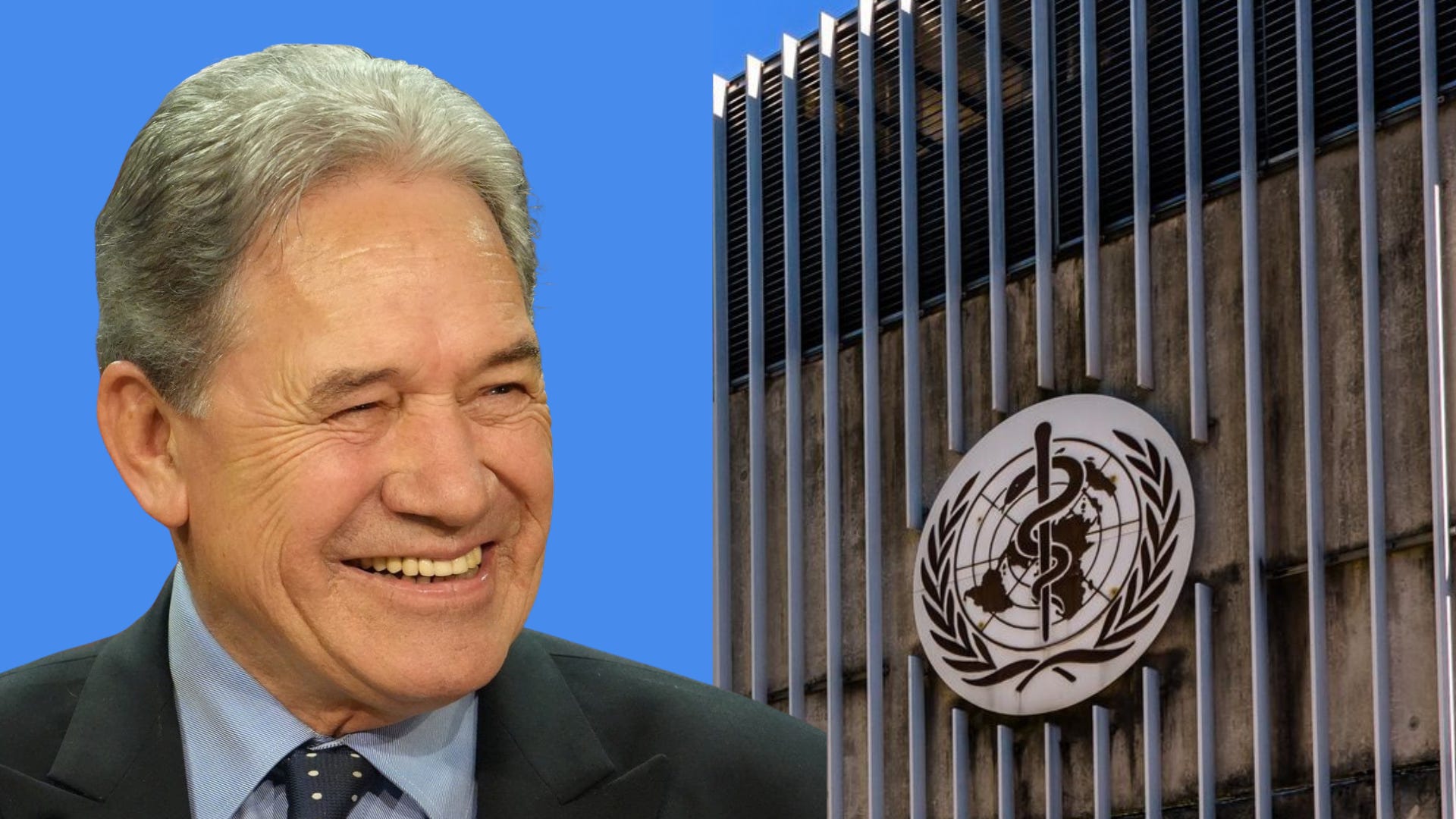
New Zealand has formally rejected amendments to international health regulations, implemented by the World Health Organisation in the aftermath of the Covid pandemic.
The 2024 amendments, along with the pandemic treaty, were touted as enabling stronger international collaboration in global health emergencies, but critics warned that they afford far too much power to the Director General of the WHO in declaring emergencies and dictating how countries must respond.
New Zealand is one of twelve member states that has rejected the 2024 amendments, including the US, Argentina, and Italy. For these countries, previous versions of the IHRs continue to apply, with the exception of the US and Argentina, which withdrew from the WHO in January and March, respectively.
While the New Zealand Government gave no official reason for its decision in an announcement on Monday, Winston Peters, Foreign Minister and leader of centre-right populist party New Zealand First, indicated that protecting national sovereignty was the main concern.
“New Zealand First has always said that any decisions about the health of kiwis should be made from Wellington, not Geneva,” Peters posted to X.
”We have fought on your behalf for these IHR amendments to be fully rejected, we made a promise to put the national interests of New Zealanders first, to maintain our sovereign decision making, and to push back on globalist bureaucrats - and we have kept that promise.”

Zooming in on the threat to national sovereignty, advocacy group Voices for Freedom described what that would look like in a letter to Peters last month.
The amended IHRs and pandemic treaty would “establish permanent international governance arrangements requiring new domestic authorities, expanded surveillance and data-sharing obligations, alignment with WHO-directed standards, and acceptance of binding international decision-making processes outside New Zealand’s parliamentary system,” said the letter.
This would include “financing commitments, digital health infrastructure, border and traveller powers, and pathogen-sharing obligations,” all of which “remain undefined or unresolved, yet would constrain future governments once accepted.”
Aside from rejecting these latest IHR amendments, New Zealand rejected an earlier round of amendments (2022) which reduced member states’ deliberation time for rejecting amendments from 18 months to 10 months.
The pandemic treaty, which was formally adopted at the World Health Assembly last year, has yet to be signed and implemented, as the final details are still being negotiated.
It is ironic that the island nation that made world headlines for going off the deep end during Covid under Prime Minister and ‘single source of truth’ Jacinda Ardern is now one of the few member states pushing back on WHO pandemic reforms.
This is testament in part to the power of a strong third party in an ostensibly two-party system. New Zealand First holds the balance of power in the current government and has previously formed coalitions with both left and right parties.
Second, where governments went too hard on Covid rules, people have become wary of such overreach, and populist leaders are responsive to this mood shift. Presidents Trump in the US and Milei in Argentina are case in point.
One country where this is not the case is Australia. Despite considerable public concern, our government is determinedly sleepwalking into a surveillance and control state and is in, boots and all, with all WHO pandemic reforms. However, the recent surge in popularity for the right-populist One Nation Party, which opposes the WHO pandemic reforms, could well turn the situation around at the next election in 2028.
Related reading
WHO Pandemic Agreement formally adopted by member states

After three years of negotiations, the World Health Organisation’s (WHO) Pandemic Agreement to strengthen global pandemic preparedness and response was finally ad…
US withdrawal from the WHO shines spotlight on need for reform

Amidst the whirlwind of executive orders issued by incoming US President Donald Trump last week was the news that the US intends to withdraw from the World Health Organisation (WHO).
Why Australians are saying no to the WHO

Who runs the world? The WHO will, if Australia and other Member States agree to several proposed reforms. This is the view of a growing chorus who warn that Australia risks losing its sovereignty over public health decision-making to the WHO, without necessarily even realising it…
Gotta love how, at least in a few too-fleeting months leading up to an election, a few MP's in NZ suddenly remember who they should be working for and representing.
Peters is an absolute master at such line-straddling and political shape-shifting. The ultimate political survivalist.
It is a start by NZ. Hopefully, they will step out of the WHO permanently.