


Vaccines will be redefined in Australia, paving the way for emerging technologies like monoclonal antibodies and mRNA therapeutics to be listed on the National Immunisation Program (NIP) alongside traditional vaccines.
The National Health Amendment (Passive Immunological Products) Bill 2026, passed in the Senate this morning, changes the legal definition of ‘vaccine’ to include passive immunisation products, which give your body pre-made antibodies.
The current definition of vaccines only encompasses ‘active’ immunisation products which teach your body to fight a disease by provoking an immune response.
The change will be a boon for pharmaceutical companies, as products listed on the NIP are bulk purchased by the government, which will have carte blanche to spend even more than the $2.4 billion it typically spends on distributing vaccines for ‘free.’
This is the second major change in the definition of a vaccine in the last several years, after the standing definition was amended during the Covid pandemic to include mRNA technology, which is arguably a gene therapy, not a vaccine.
Political discussion around the bill has focused on how it will improve access to monoclonal antibodies such as Beyfortus to protect children and babies from respiratory syncytial virus (RSV), and who wouldn’t want that?
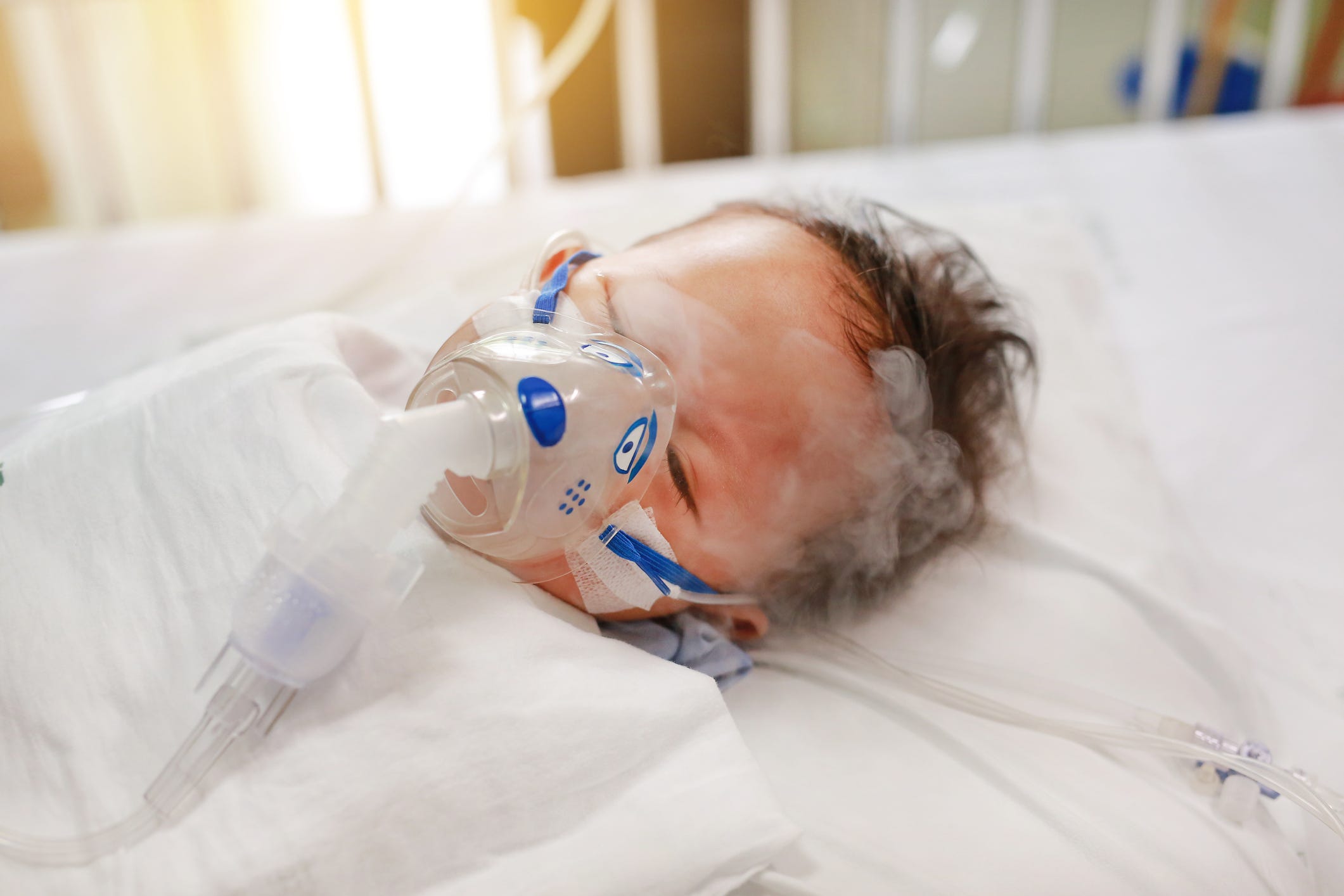
While few babies in Australia die from RSV each year, the Australian government says that 12,000 babies are hospitalised every winter, and researchers have found that administration of monoclonal antibodies to babies prevents enough RSV hospitalisations to have a net cost-saving effect.
Not discussed, but totally possible, is that this bill opens the door for a slew of mRNA passive immunisation therapeutics to make it onto the NIP. The federal and state governments are heavily invested in mRNA research, development and manufacture, with cancer therapies, antibodies for HIV and the flu, and mRNA-encoded autoimmune suppressors being just some of the products in the pipeline.

That is the what of the bill. Then there is the how of it. This was one of 22 bills rushed via guillotine motion, which means very limited or no debate, through the Senate over the past several days.
Obviously, the House of Review can do very little review on such a short timeframe and with no opportunity for proper debate.
It must be said, though, that while this is a recurring theme with the Labor government, which has a habit of ramming through new laws in a mad rush right before holidays as it did with the under 16s social media ban, it’s not a partisan problem, but an all of government problem.
The Coalition has been equally if not more likely to use the same tactics to stifle debate and blitz through stacks of bills — in fact, the Morrison government was one of the worst on this front.
This procedural bugbear might seem like not that big of a deal, but the consequences of not properly considering the impacts of this bill could be significant for Australian families.
Vaccines listed on the NIP schedule for children are mandatory for families wishing to access childcare subsidies and family tax benefits under No Jab No Pay legislation. Moreover, in some states children cannot access daycare at all unless they have received every single shot on the schedule under No Jab No Play rules.
If products added to the NIP are optional, that’s one thing, but if the list of shots required for babies and children expands, that’s a real concern. Australian children already receive 40-50 antigen doses across 16-18 injections by the age of 18.
Meanwhile, Australia’s rate of childhood immunisation has fallen to a 10-year low according to recent government data, with only 90 percent of children aged 24 months or less being fully immunised. This represents an almost three percent decrease since the Covid pandemic, most likely due to vaccine fatigue and loss of trust in vaccines.
Where new technologies offer a safe alternative to riskier forms of disease prevention, increasing access is a good thing. But if increasingly risky ‘vaccines’ are added to the NIP, we can expect the number of parents deviating from the schedule to continue on the current trajectory.
The Department of Health did not respond to request for comment before publication deadline.
Credit to Michael Arbon for drawing attention to this bill on Twitter.
..."autoimmune suppressors" . I guess that will generate much $$ since they are causing much autoimmune diseases with covid shots and all the rest!
The word "vaccine" is not a biological reality but a magic trick on the minds of a population which has been psyopped for generations. Injections of foreign substances can be subcutaneous, or intramuscular, or one can use variolation or ingestion/inhalation which operate at the immune boundary - all these biologically dissimilar methods are lumped together under this pseudonym "vaccination" as if they are the same, which is rubbish.
The fact that transfection methodology is now also lumped together with all the others is even more reason to have grave reservations about these products. Why is no one calling out the mRNA platform as transfection? Could it be the Intellectual Property fiasco of rebranding an old bench technology of using mRNA to fool cells into making a foreign protein (which you would never use on an experimental animal you wanted to live a long life) so it can form the basis of a new money-spinning industry? Are the public so cognitively inoculated that they are petrified of being labelled an "antivaxxer" if they dare to question this horrible idea? Seems so. Pity the young ones.