

A musical flash mob popping up in Brisbane over the weekend is a masterclass in how to peacefully oppose bad laws.
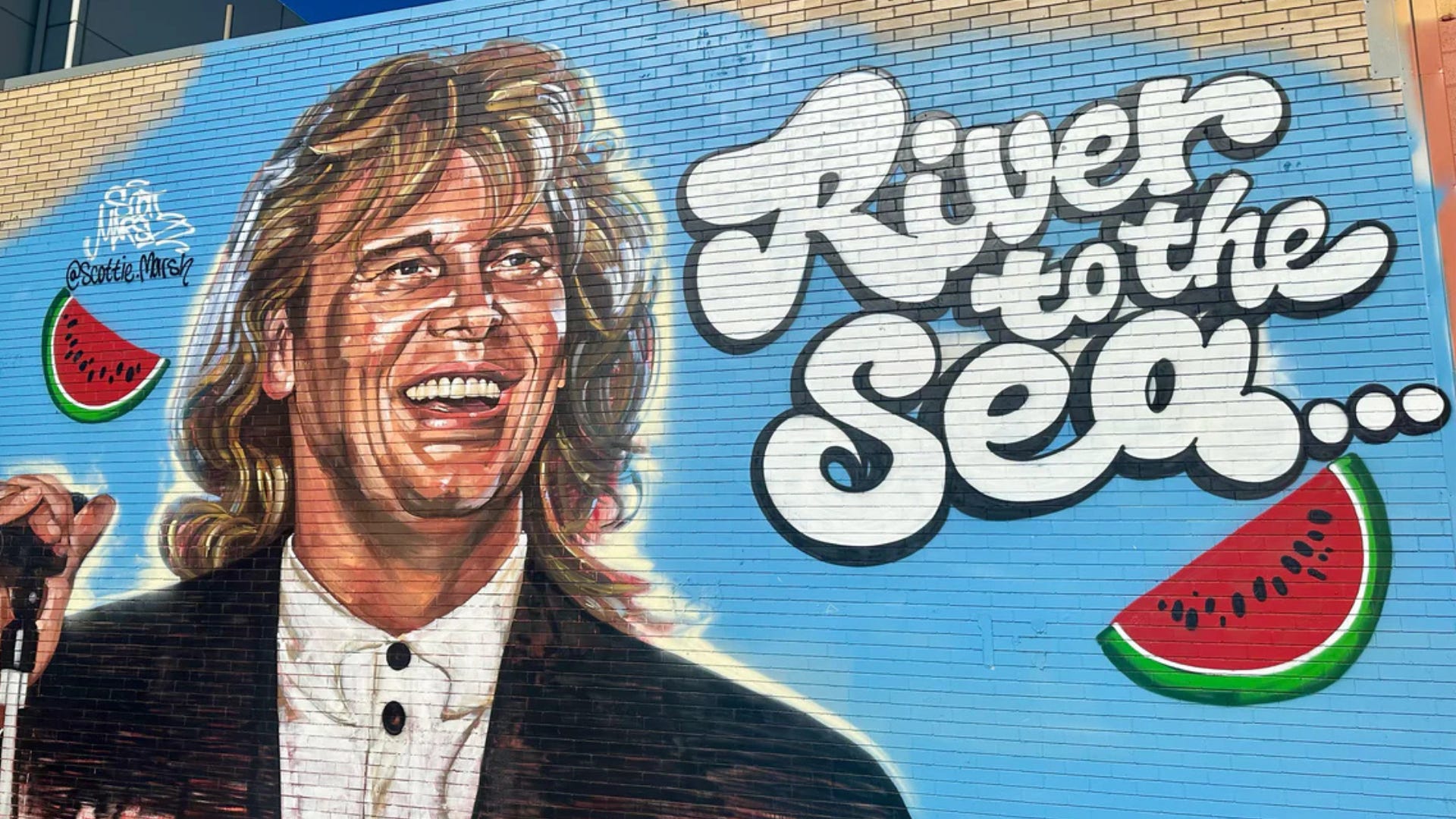
The 400-strong crowd wigged up as Aussie music icon John Farnham — famous for his flowing blonde mullet — went viral on social media for singing the 80’s ‘Farnsy’ hit Two Strong Hearts while holding Palestinian flags in protest of new hate speech laws banning the phrase “from the river to the sea.”
Lyrics from the song, which includes the line “reaching out forever like a river to the sea,” have also popped up in street art and on wearable merch to protest the laws.
The singalong highlighted the ridiculousness of banning words, when the real problem facing the Jewish community is actual terrorism, and intelligence and policing failures.
Video via Middle East Eye on X
Last month, Queensland became the first state in Australia to criminalise the pro-Palestinian slogans “from the river to the sea” and “globalise the intifada” if they cause a person to feel menaced, harassed, or offended, as part of a package of new hate speech laws in a bid to stamp out antisemitism, with penalties of up to two years in prison.
While no one was arrested at the flash mob, two Jewish people, along with 18 others, were arrested for uttering the forbidden phrases at another weekend protest, part of the ‘NOT OUR LAW’ campaign spearheaded by activist group Justice for Palestine Magan-djin (Magan-djin is the Indigenous word for Brisbane).
Several arrests were made earlier this month under the new laws, including an 18-year-old woman wearing a pro-Palestine slogan on her top, subsequently released without charge, and a 33-year-old man who has now been charged with one count of reciting or publicly displaying a prohibited expression that is reasonably expected to menace, harass or offend a member of the public.
Lawmakers say the banned phrases endorse violence and are an expression of support for a terrorist group (like Hamas).
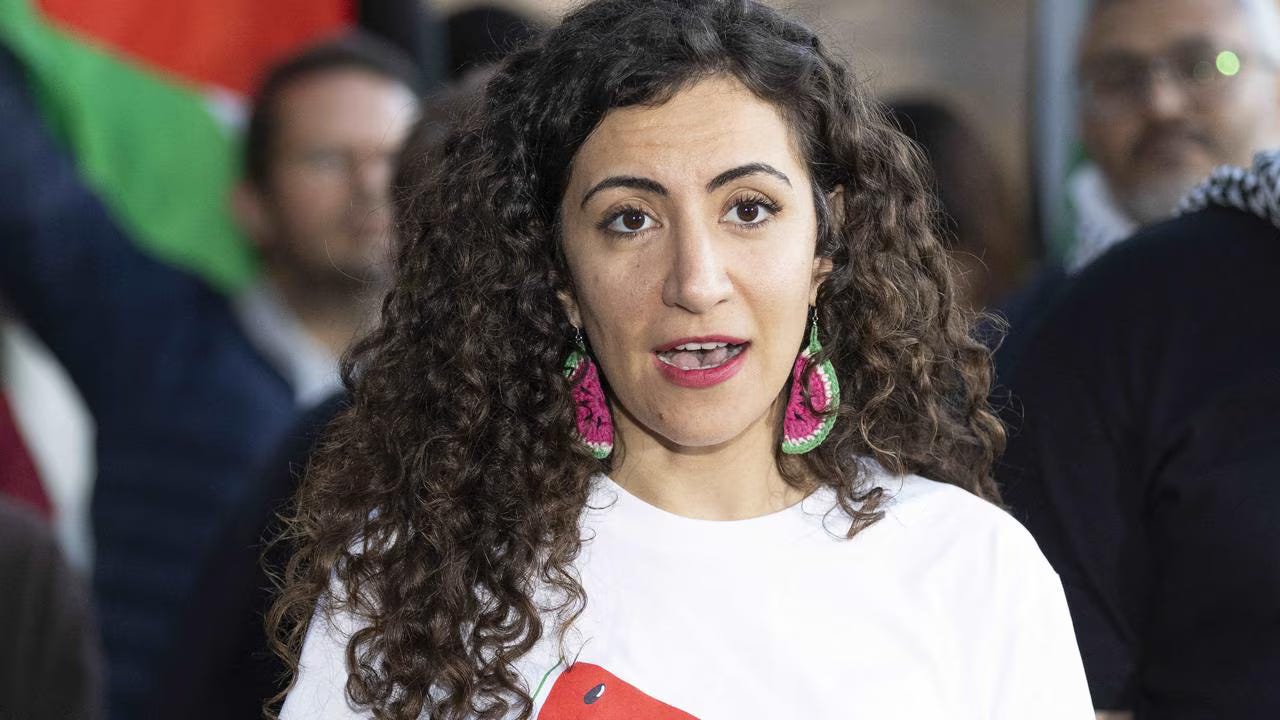
But Remah Naji, spokesperson for Justice for Palestine, says that’s not what protesters mean when they say these words.
It’s not antisemitic to advocate for “equal rights and freedom for the Palestinian people,” said Naji, a Palestinian migrant and former Greens candidate for Moreton.
“When people say ‘Palestine will be free from the river to the sea’ they mean free from apartheid, free from illegal occupation, free from violations of international law.”
If people oppose protesters’ right to say these things, then “that’s an indictment on them,” she said.
Up until now, I have not written about Israel and Palestine. War reporting is not my beat, and I resist making moral proclamations on whatever the ‘current thing’ is, especially if it’s something I don’t know a lot about, as was the case when everything kicked off a few years ago.
However, hate speech laws are my beat, and I am committed to commenting truthfully, as I did during Covid.
When I posted the viral Farnsy protest this week commending the protesters for peacefully opposing unreasonable restrictions on political debate in Queensland, there was a lot of hate in social media comments over their support of Palestine.
To me, this is missing the point.
Hate speech laws are bad for all of us, especially in Australia, where existing speech protections are less than robust. We have no bill of rights, no First Amendment — just ‘implied freedom of political communication’ in the Constitution, which state and federal governments increasingly feel at liberty to trample all over.
It’s important to understand that the creep of speech regulation is not a left or right issue. First, they targeted the right, with hate speech laws being weaponised against anyone who dared publicly question trans ideology, and censorship of dissenting opinions on Covid lockdowns and mandates. The left mostly cheered this on, smearing dissenters as bigots and granny-killers.
Now, they’re targeting the left, effectively criminalising public support of Palestinians. Elements on the right are backing this overreach to the hilt, smearing protestors as ‘deranged leftists’ calling for the eradication of the entire Jewish race.
The only stakeholders this kind of division benefits are those who want to shut down freedom of expression, giving the government more and more control over what can and cannot be said in the political discourse.
Today, the opinion being banned might be one that you don’t agree with.
Next time, the government might ban your opinion. Chances are, something you believe in has already been banned or censored at some point.
We should celebrate peaceful protest against bad laws, even if you disagree with the political views of the protesters.
“Once this is normalised, everyone is at risk,” Naji said today of the Queensland government’s overreach on speech.
“Freedom of speech should be a basic and fundamental right that is not up for debate.”
Justice for Palestine is currently organising a High Court Challenge on the basis that the Queensland hate speech laws are invalid under the federal Constitution. Find out more here.
‘Hate speech’ does not exist. The term is a euphemism for anything the state wants to prevent you from saying. Laws like this are totalitarianism’s on-ramp
I agree with you, Rebekah. "Hate speech" is whatever some loony-lefty, loony-righty or some other activist loony gets upset about in the moment. It is an amorphous, plastic concept, at best, and that's why it's dangerous. We already have laws that proscribe incitement to violence, and that is as it should be. In a democracy, individuals must understand that the freedom of expression means there will always be ideas and opinions that may offend them. Then it's up to them to debate it, not to try to shut it down.