
Energy lockdowns Down Under? Call for 'Covid-style' rules as fuel crisis escalates
Australia imports 90 percent of its fuel, leaving it vulnerable to energy shocks

The spectre of lockdowns 2.0 looms as an Australian Premier has called for “Covid-style” rules to manage the escalating fuel crisis sparked by the war in Iran.
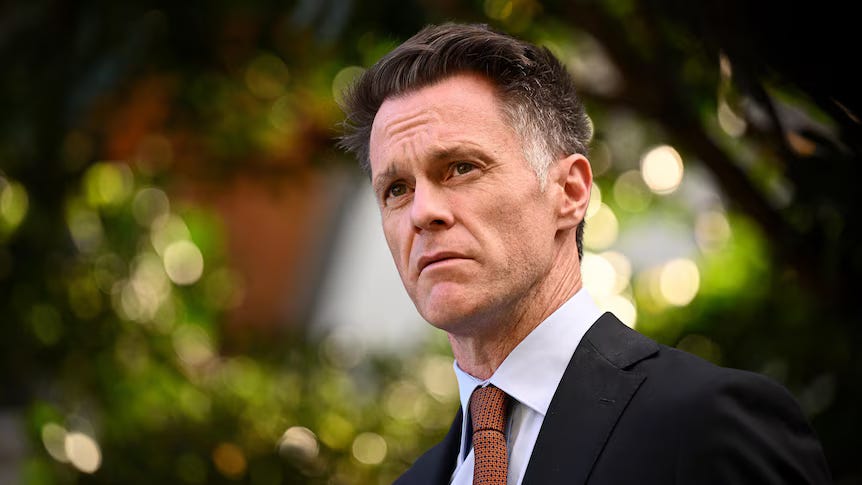
New South Wales leader Chris Minns — whom Matt Taibbi once called “Australia’s biggest wanker” over his enthusiastic support for hate speech laws — yesterday said a “nationally consistent approach” was needed to implement measures such as fuel rationing and working from home.
This comes as petrol prices have soared up to $3 a litre and hundreds of fuel stations around the country are reportedly without diesel and unleaded fuel. Food security is in question as fishing trawlers grind to a halt, and farmers are unable to obtain fertiliser or operate machinery, and are fending off diesel theft.
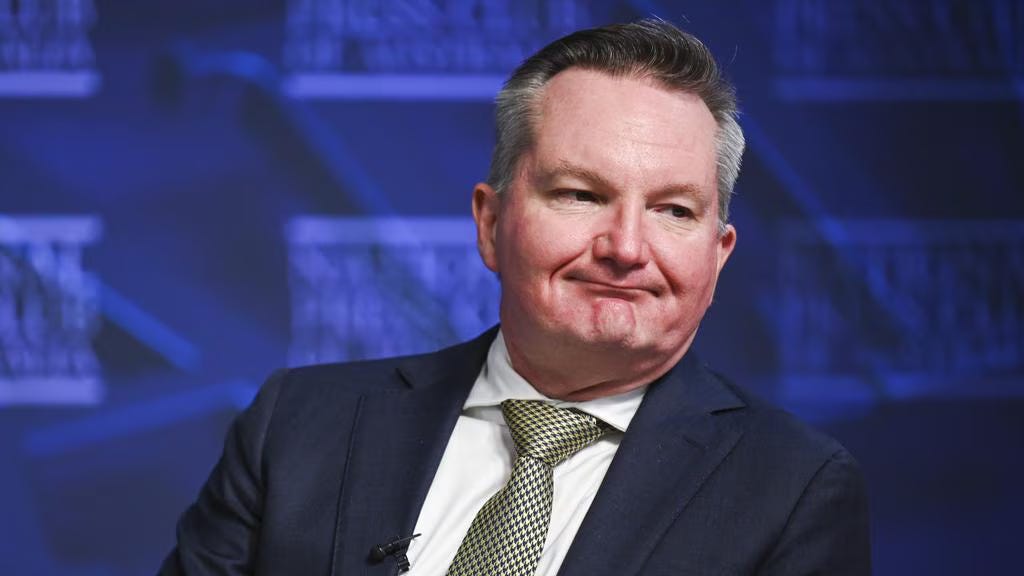
Energy Minister Chris Bowen says the problem is not supply, but consumers running the fuel stations, like the toilet paper frenzy during Covid. Even if that is true, it won’t remain the case, given that Australia imports approximately 90 percent of its fuel, and we have only 38 days worth of fuel in reserves.
Bowen has so far talked down the possibility of fuel rationing at the federal level, but state and territory governments could easily step in to enforce rations and other lockdown measures just as they did during Covid.
Last Friday, the International Energy Agency (IEA) issued a list of ten smart-city style recommendations, including remote working, road use restrictions, reduced speed limits, and reduced air travel, which would essentially amount to ‘energy lockdowns’ if enforced by governments.
It’s enough to make a seasoned conspiracy theorist ponder the possibility of heightened surveillance and control via tech to ensure we don’t drive on the wrong day, purchase too many steaks, or exceed our allotted flight miles.
An opportunity perhaps for a Great Reset, mused very based Senator Alex Antic in parliament yesterday.
Meanwhile, the situation has highlighted Australia’s vulnerability to energy supply shocks.
While the Labor government has taken steps to ease the crisis — releasing some fuel reserves into the market, temporarily lowering diesel quality standards, setting up a taskforce to coordinate fuel distribution and planning — its response has been reactive, with limited effect. Fuel imports were said to have been secured, but shipments have already been cancelled.
There’s only so much you can do if you don’t produce or refine your own oil. Australia used to have eight oil refineries. We’re now down to two, and fossil fuel projects are increasingly hard to get up and running because of green and red tape.
At the same time, Australia produces an abundance of gas, but almost all of it is exported to foreign markets, tightening domestic supply and driving up prices.
In a sane world, this crisis would prompt our leaders to turn their attention to securing Australia’s energy supply, while simultaneously working to bring cleaner energy to market.
But going off our insane Covid response, I’m not betting on it.
Advocacy group Stand Up Now Australia is running a petition to secure Australia’s fuel supply. Requests include cutting the fuel excise (we currently pay 52c tax for every litre of petrol), suspending the GST on fuel (tax on tax) and rebuilding Australia’s refining capacity. Read and sign the petition here.
Alexa: show me an example of a drastically mismanaged country…
They dont even need to pull the "trigger" this time. wont have to do much more than suggest a lock down style, if it goes long enough. Big business will use it as an excuse to knock off some bloat in workforce numbers, alliwing them to maintain their profit margin, while still undercut smaller businesses.While smaller businesses will be trying to enact similar to remain viable so good workers will be asked to accomodate, which thry will, in an effort to not end up getting cut, and to save personal expenses. While poor performing workers will be let go. Small businesses will be forced to increase prices over time, because they dont have the capacity to wait it out like bigger businesses. Which will almost gaurentee that price concious customers will migrate to bigger business because they will be able to have "lower" prices.😐 Less customers fir small business, higher expenses, lower margins, tightens the pressure as it self perpetuates, getting smaller and smaller. Customers will be choosing very carefully where they spend their money and what they go without. Businesses that are not "essential" will see the effects first.
Rememver your history folks, look to the past, get creative. You dont actually need what you think you do, and these times have occurred before. This is a timetabled exercise. The dominos need to fall by 2028. Controlled demolition.
Personally, I think the resetters have underestimated the human spirit and its capacity to adapt.😉
And i hate being on someone elses schedule, dont you?😉
#getcreative #getlocalised